







Alien: Earth
FX
Alien: Earth
We were thrilled to be approached by the FX Channel to develop concepts for the marketing campaign of their Alien: Earth series. As massive fans of the Alien franchise, we couldn’t help ourselves - we went all in. Our team of artists and creatives, including Kev McCrae, Onur Senturk, Stuart Langfield, Ross Sneddon, and Jim Holland, devised a plethora of concepts and developments which both honoured the genius of the original films whilst creating a deep sense of intrigue about what was to come in the exciting spin off. Here are just a few of the ideas we explored…

That Crap’s Gonna Eat Through The Hull
Concept: Acid for blood… from the first time we see it eating through the floor of the Nostromo, to when it drips next to Bishop’s foot seconds before the Xenomorph queen rips him in half in Aliens, it’s been a constant hallmark of the Alien franchise.
This concept follows the journey of a trail of corrosive acid as it drips through many layers of a scene, slowly revealing it to be in an apartment block on Earth. Much of this would be shot with a shallow depth-of-field, keeping the dripping acid sharp whilst the background remains soft.


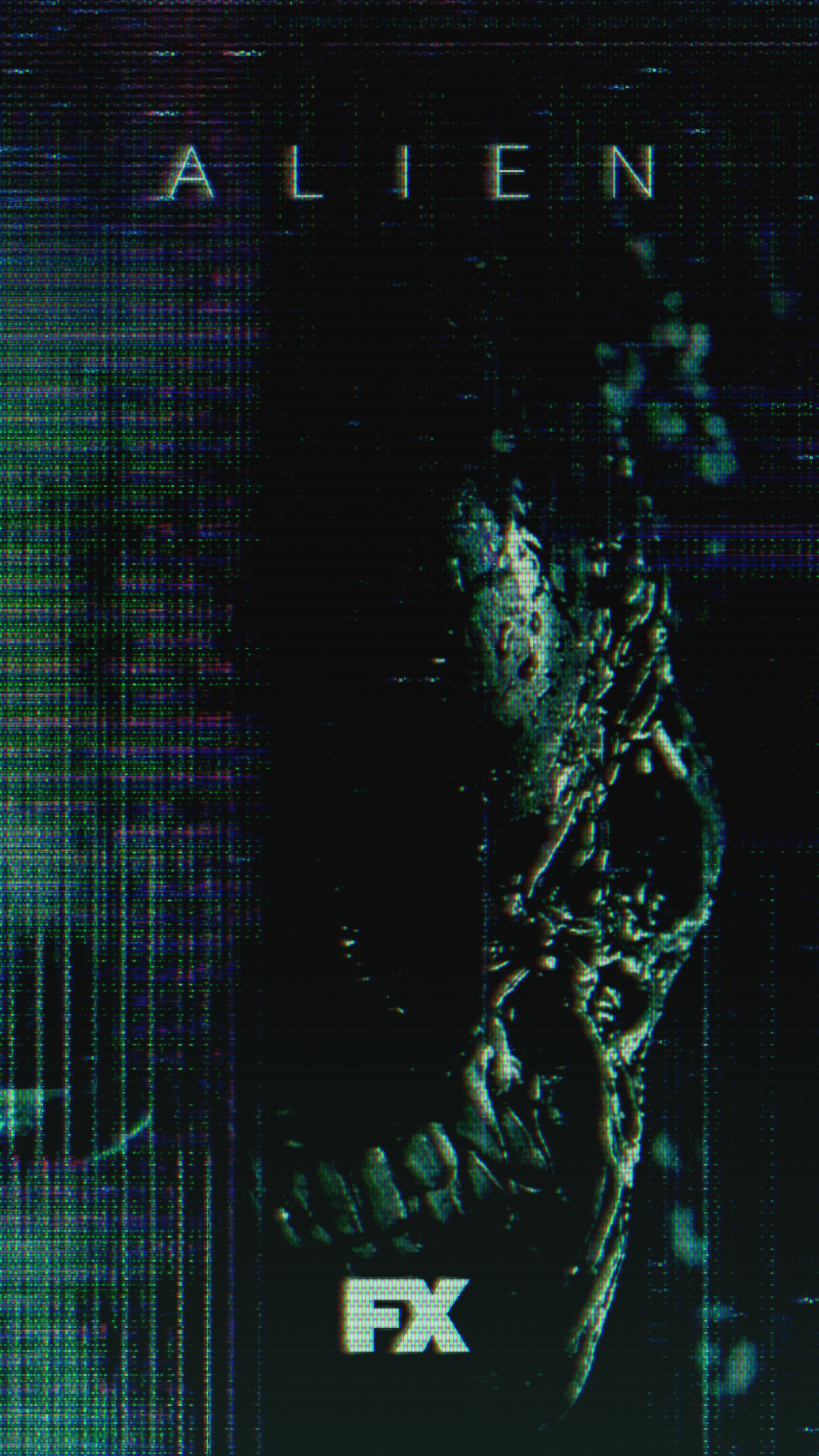
Analogue Disruptions
Concept: Creating a captivating atmosphere reminiscent of the low-tech brilliance of Alien and Aliens, this concept would skilfully use this aesthetic as both a visual style and a narrative device. Drawing inspiration from the original classics, it would pay homage to the genre’s roots by embracing practical effects and analogue mechanisms, creating a path for a coherent campaign.




And Has Concentrated Acid For Blood
Concept: Taking inspiration from one of Alien’s recurring visual motifs, this concept references iconic scenes such as the first time they cut into the face hugger’s fingers in the first film. The viewer would see acid blood dripping onto various iconic worldly objects, slowly corroding and destroying them, hinting at the presence of Xenomorphs on Earth and creating a strikingly beautiful yet deadly series of abstract images.
She Thought They Said Illegal Alien
Concept: Not your average trip to the doctor’s office. In this development concept for FX’s Alien: Earth, an x-ray reveals a woman’s ribs with something nestled within- a familiar shape, a subtle movement hinting at an underlying mystery, and it’s all downhill from there. Cue chaos: unhinged jaws, disjointed necks, alien body parts, and glistening mucus. Within this alien realm, an egg unfolds gradually amid the drama. The camera would descend through the floor, which now serves as the ceiling, dripping with alien saliva. The droplets would fall onto the suspended title: ‘Alien: Earth‘.



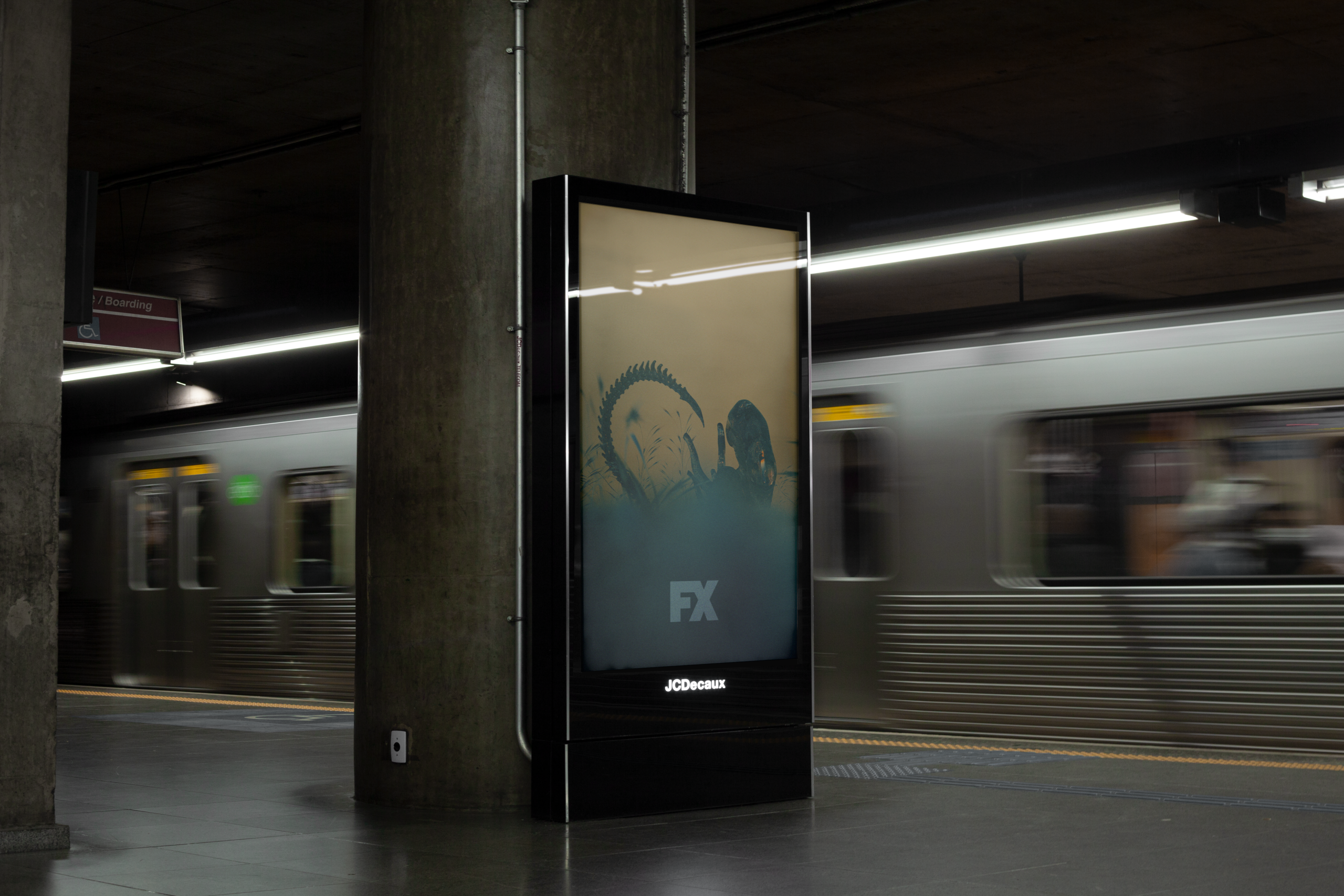
Translucent
Concept: This concept is luxe, illusory, and sinister. At first glance, the transparent glass visuals are intended to enhance the aesthetic appeal of scenes that might otherwise be perceived as unsettling and inherently perilous for the viewer.
The choice of material and the play of light through both natural flora and man-made objects convey an era characterised by synthesis and artificiality, presenting a version of Earth that is familiar yet oddly unrecognisable. This transformation invites viewers to reconsider their perception of the planet.
Within this altered reality, the Xenomorph seamlessly adapts to its environment, reinforcing its formidable presence as a force to be reckoned with. The concept has the flexibility to incorporate various characters and essential elements, further enriching the narrative.


Campaign
What makes an OOH marketing campaign work? For us, it’s all about intention. Here’s what our Alien: Earth campaigns would have looked like as viewers went about their daily lives- off to work, to see friends, to...be jumped by a Xenomorph? Harnessing the capabilities of illusion, the campaign would have allowed for a play on human psychology and technology, creating a subtly disturbing reality. This impact would have extended beyond digital platforms to include print, drawing parallels with the effect of magic eye images. The intention, then, was to instigate a sense of uncertainty in the audience, challenging the accuracy of their perceptions.